Welcome to the official website of Beijing Leadlong Technology Co., Ltd

Essential Insights into Petroleum Softening Point Testers for Electrical Instrumentation
Feb 23,2026
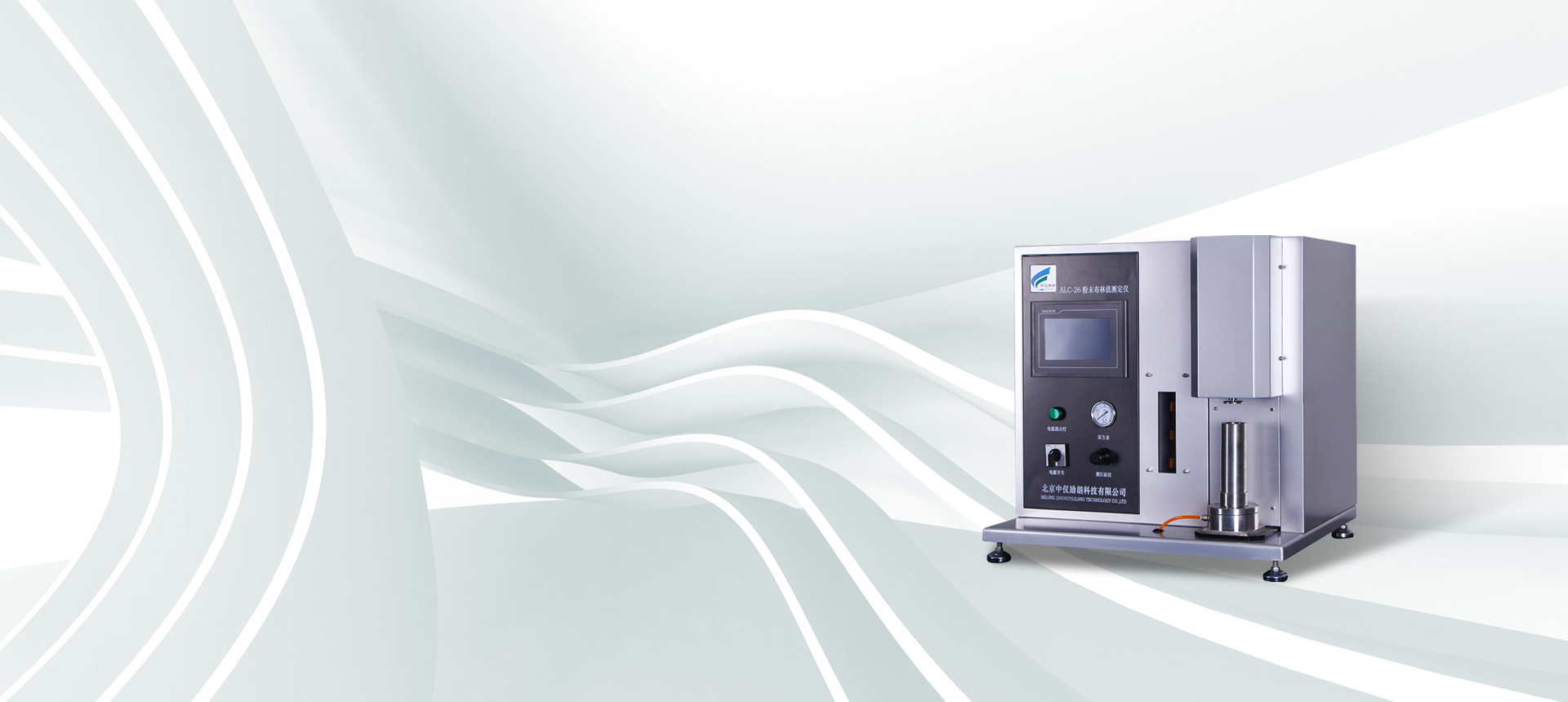
In the field of electrical and specialized instrumentation, the Petroleum Softening Point Tester serves a pivotal role in determining the softening point of petroleum products, which is critical for assessing their quality and performance. The softening point is defined as the temperature at which a material transitions from a hard or brittle state to a softer, more pliable state. This characteristic is particularly important for materials used in various applications, including electrical insulation, lubricants, and sealants.
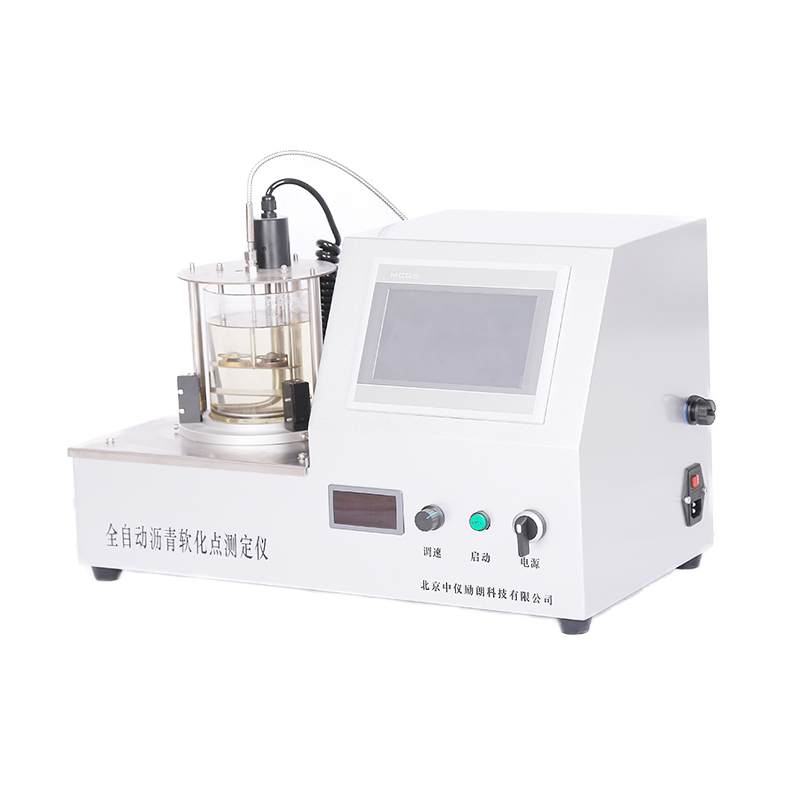
When selecting a Petroleum Softening Point Tester, professionals should consider several key features that contribute to the accuracy and reliability of the results. One vital aspect is the temperature control mechanism. Precision in temperature regulation is crucial, as even minor fluctuations can lead to significant discrepancies in the softening point readings. A tester equipped with a reliable temperature monitoring system ensures that the testing environment remains stable, yielding consistent and repeatable results.
Another important feature to consider is the testing methodology employed by the device. Generally, petroleum softening point testing can be performed using methods such as the ring-and-ball method or the inclined plane method. Each method has its own advantages and suitability depending on the specific properties of the petroleum product being tested. Therefore, it is essential to understand the pros and cons of each method to select the most appropriate one for your testing needs.
Moreover, the design of the tester is crucial for ease of use and maintenance. A user-friendly interface can significantly streamline the testing process, allowing operators to focus on obtaining accurate results rather than grappling with complex equipment. Additionally, testers with easy access to internal components facilitate maintenance and calibration, ensuring long-term reliability.
In the context of the electrical and instrumentation industry, the insights garnered from petroleum softening point testing can greatly influence product development and quality assurance processes. For instance, understanding the softening point can help engineers formulate better materials that withstand varying temperature conditions, improving the longevity and performance of electrical systems.
Furthermore, regular testing and monitoring of petroleum products can aid in compliance with industry standards and regulations. By ensuring that materials meet the required softening point specifications, companies can avoid potential failures and enhance the overall safety of their products.
The Petroleum Softening Point Tester is an indispensable tool within the electrical and instrumentation sector. By investing in a high-quality tester and understanding its operational principles, professionals can ensure that they are producing and utilizing materials that meet the highest standards of quality and performance.

Contact Us



Request Quote
We will contact you within one working day. Please pay attention to your email.
