Welcome to the official website of Beijing Leadlong Technology Co., Ltd

Understanding the Importance of Quality Tar Quinoline Insoluble Matter Testing in Electrical Engineering
Mar 23,2025
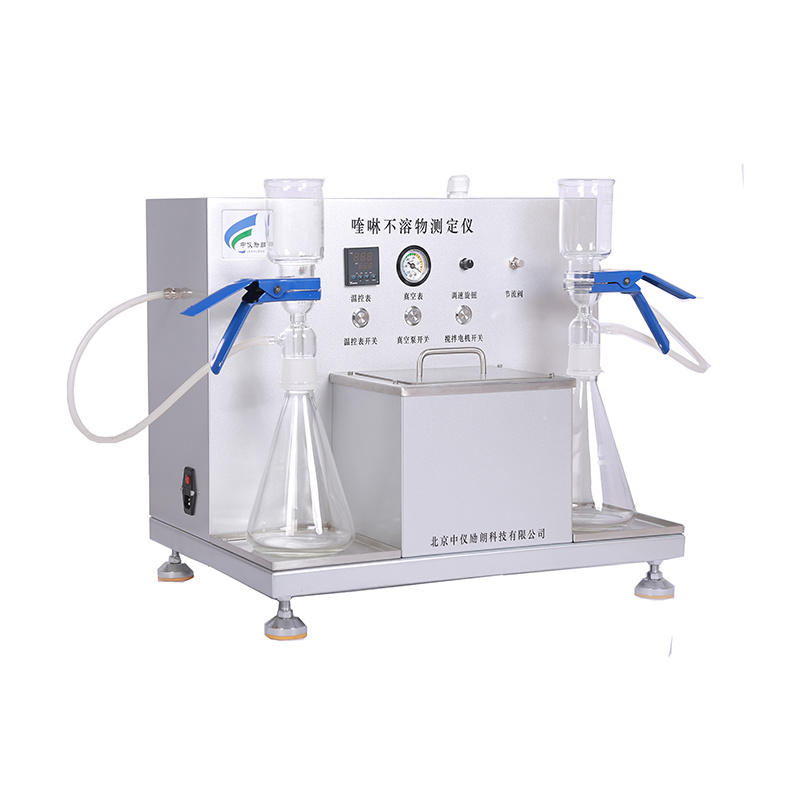
1. Introduction to Tar Quinoline Insoluble Matter Testing
Quality Tar quinoline insoluble matter tester is an essential process in the realm of electrical engineering, specifically within the construction and operation of specialized instruments. The testing is crucial for assessing the purity and quality of materials used in various applications, particularly in ensuring the safety and reliability of electrical components. As the industry advances, understanding the significance of this testing becomes increasingly vital for engineers and manufacturers alike.
2. What is Tar Quinoline Insoluble Matter?
Tar quinoline insoluble matter (TQIM) refers to the residue that remains after tar is treated, particularly in the context of coal tar. This substance is characterized by its complex composition, which can include a variety of organic compounds and is often associated with undesirable properties that can affect the performance of electrical materials. The presence of TQIM can result in increased electrical resistance, insulation failure, and other malfunctions within electrical systems.
3. The Importance of Testing Tar Quinoline Insoluble Matter
The testing of tar quinoline insoluble matter serves several key purposes:
3.1 Ensuring Material Quality
Quality testing of TQIM is essential to ensure that the raw materials used in electrical instruments meet industry standards. Low-quality materials can lead to failures and hazards, compromising both equipment performance and safety.
3.2 Enhancing Equipment Reliability
Electrical components must operate reliably under varying conditions. Testing TQIM ensures that any insoluble matter does not impair the electrical characteristics of materials, thus enhancing longevity and performance.
3.3 Regulatory Compliance
Adhering to regulatory standards often necessitates quality testing of materials. Compliance with these regulations not only builds trust with consumers but also avoids potential fines and liabilities for manufacturers.
4. Methods for Testing Tar Quinoline Insoluble Matter
There are several established methods for testing tar quinoline insoluble matter, each with its strengths and weaknesses.
4.1 Standard Testing Methods
Standard methods typically include gravimetric analysis, where the insoluble matter is separated from the soluble fraction and weighed. This method is widely accepted in the industry but may require specific conditions to ensure accuracy.
4.2 Innovative Techniques in Testing
Emerging technologies, such as spectroscopy and chromatography, offer more precise measurements of TQIM. These techniques allow for a deeper understanding of the chemical makeup of tar, helping to identify specific compounds that may pose risks to electrical performance.
5. Impact of Tar Quinoline Insoluble Matter on Electrical Equipment
The implications of TQIM presence in electrical equipment can be profound.
5.1 Increased Electrical Resistance
Tar quinoline insoluble matter can significantly increase the electrical resistance of materials, leading to overheating and potential failures in equipment operation.
5.2 Insulation Integrity
The integrity of insulation materials is critical in preventing electrical leaks. TQIM can compromise the structural integrity of insulation, resulting in short circuits and system failures.
5.3 Long-Term Performance
The long-term performance of electrical equipment can also be hindered by TQIM. Regular testing ensures that materials maintain their effectiveness and reliability over time.
6. Best Practices for Quality Testing
To achieve optimal results in testing tar quinoline insoluble matter, adherence to best practices is imperative.
6.1 Consistent Methodology
Employing a consistent testing methodology guarantees reproducibility and reliability of results. It is essential to follow standardized protocols to ensure accuracy.
6.2 Regular Calibration of Equipment
Ensuring that testing equipment is regularly calibrated helps maintain the precision of results and minimizes discrepancies in measurements.
6.3 Documentation and Record Keeping
Meticulous documentation of testing procedures and results fosters accountability and facilitates future reference, aiding in continuous improvement efforts.
7. Common Challenges in Tar Quinoline Testing
Like any testing procedure, there are challenges associated with testing tar quinoline insoluble matter.
7.1 Sample Preparation
Sample preparation can be time-consuming and crucial for obtaining accurate results. Proper techniques must be employed to avoid contamination or loss of material.
7.2 Variability in Tar Composition
The variability in tar composition from different sources can affect testing outcomes. Understanding the specific characteristics of the tar being tested is essential for accurate assessments.
7.3 Interpretation of Results
Interpreting the results of TQIM testing can be complex and requires expertise to understand the implications for electrical performance and safety.
8. Conclusion
In summary, quality Tar Quinoline Insoluble Matter testing is a fundamental aspect of ensuring the safety, reliability, and performance of electrical instruments and components. By understanding the significance of TQIM and employing robust testing methodologies, manufacturers and engineers can safeguard their products and maintain compliance with regulatory standards. As the industry evolves, staying informed about testing advancements and best practices will be key to achieving success in electrical engineering.

Contact Us



Request Quote
We will contact you within one working day. Please pay attention to your email.