Welcome to the official website of Beijing Leadlong Technology Co., Ltd

How Asphalt Quinoline Insoluble Matter Affects Pavement Durability
Oct 29,2025
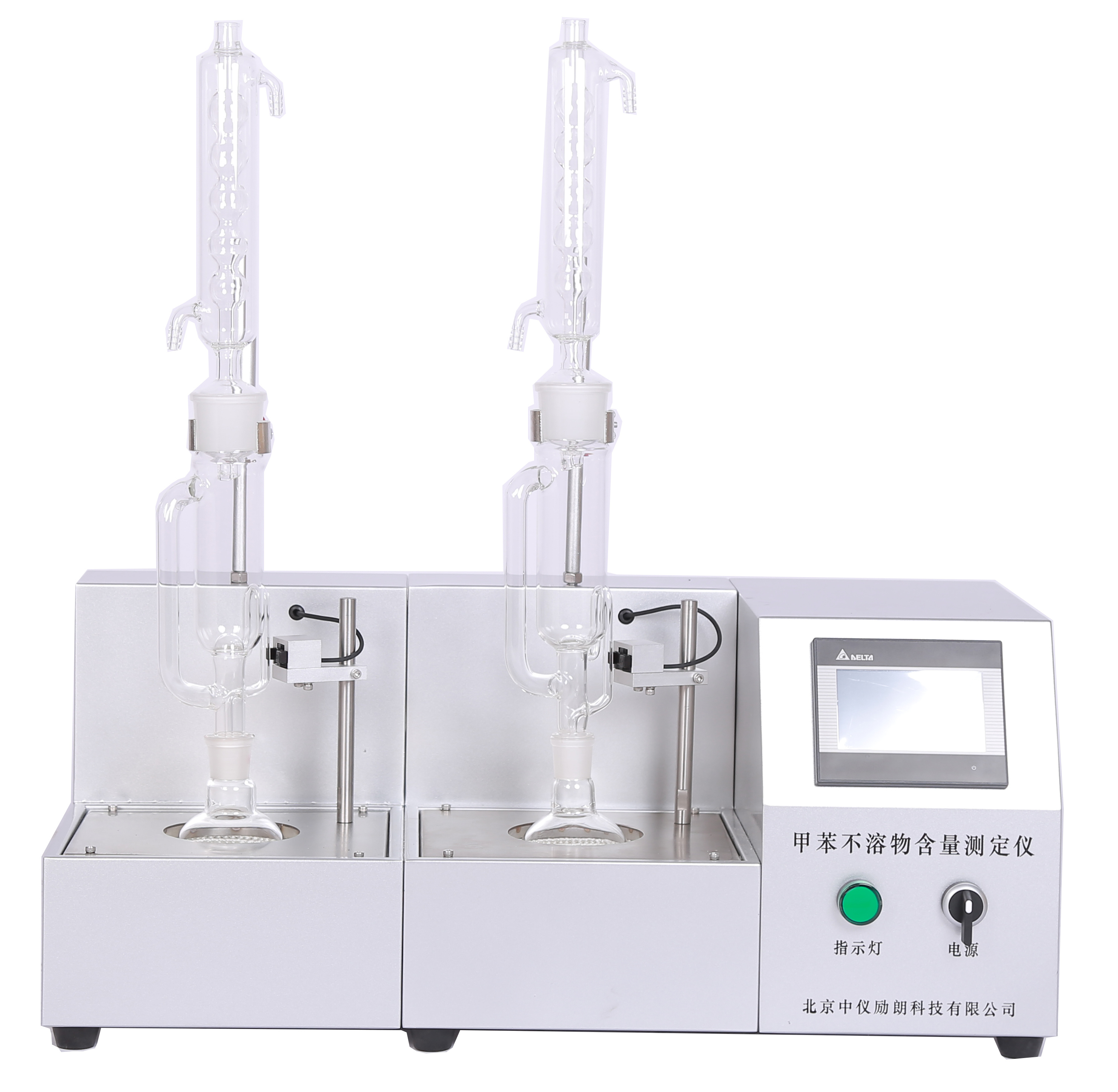
Understanding Asphalt Quinoline Insoluble Matter and Its Influence on Pavement Durability
Pavement durability is a vital aspect of road construction and maintenance, impacting safety, efficiency, and cost-effectiveness. One of the key factors influencing the durability of asphalt pavements is **quinoline insoluble matter**. This article delves into the role of asphalt quinoline insoluble matter, examining its properties, effects on pavement performance, and methods for effective management.
What Is Asphalt Quinoline Insoluble Matter?
Asphalt quinoline insoluble matter refers to a specific fraction of asphalt that becomes insoluble in quinoline, a chemical solvent. This fraction typically consists of high molecular weight compounds that can significantly influence the physical and chemical behavior of asphalt. Understanding its role is crucial for engineers and stakeholders in the construction industry.
The Chemical Composition of Asphalt Quinoline Insoluble Matter
To appreciate how quinoline insoluble matter affects pavement durability, it is essential to examine its chemical composition. This matter is composed of complex hydrocarbons, including:
- **Asphaltenes**: High molecular weight compounds that provide structural integrity to asphalt.
- **Resins**: Contribute to the adhesive properties of asphalt, enhancing bonding with aggregates.
The balance between these components is crucial. A higher concentration of quinoline insoluble matter often indicates a greater presence of asphaltenes, which can influence the asphalt's viscosity and stability.
How Asphalt Quinoline Insoluble Matter Affects Pavement Properties
The presence and concentration of quinoline insoluble matter can significantly impact various properties of asphalt pavements, including:
1. Viscosity and Workability
Asphalt with high levels of quinoline insoluble matter often displays increased viscosity. While this can enhance durability by providing a robust structure, it can also complicate the workability of asphalt during mixing and application.
2. Adhesion and Cohesion
The interaction between quinoline insoluble matter and aggregates plays a critical role in the adhesion and cohesion of asphalt mixtures. An appropriate balance enhances the binding capabilities, thereby improving the overall performance of the pavement.
3. Resistance to Aging
Asphalt pavements are susceptible to aging due to environmental factors. Quinoline insoluble matter can help improve resistance to aging by stabilizing the composition of asphalt over time, thereby prolonging the lifespan of pavement surfaces.
4. Temperature Susceptibility
Pavements are exposed to varying temperatures, which can affect their performance. Higher levels of quinoline insoluble matter often correlate with better temperature susceptibility, ensuring the pavement remains intact under extreme conditions.
The Impact of Asphalt Quinoline Insoluble Matter on Pavement Durability
The durability of asphalt pavements is crucial for their longevity and performance under traffic loads. Asphalt quinoline insoluble matter influences durability in several ways:
1. Enhanced Resistance to Deformation
Pavements with optimal levels of quinoline insoluble matter exhibit enhanced resistance to deformation under load. This is essential in preventing rutting and other forms of pavement distress.
2. Improved Fatigue Life
The fatigue life of asphalt pavements refers to their ability to withstand repeated loading cycles. High quinoline insoluble matter content can contribute to increased fatigue resistance, thereby extending the pavement's service life.
3. Mitigation of Cracking
Cracking is one of the most common forms of pavement distress. The properties of quinoline insoluble matter help in reducing the likelihood of cracking, enhancing the pavement's durability and serviceability over time.
Testing Asphalt Quinoline Insoluble Matter: Essential Methods
To assess the impact of quinoline insoluble matter on pavement durability, various testing methods can be employed, including:
1. Solubility Tests
Solubility tests in quinoline provide insights into the quantity of insoluble matter within asphalt. Understanding this ratio is critical for predicting the performance and durability of asphalt mixtures.
2. Viscosity Measurements
Regular viscosity measurements ensure optimal workability and performance of asphalt during construction. This can be achieved through dynamic shear rheometers and Brookfield viscometers.
3. Aging Tests
Conducting aging tests, such as the Rolling Thin Film Oven (RTFO) test, helps evaluate how asphalt behaves over time. This is essential for understanding long-term durability.
Best Practices for Managing Asphalt Quinoline Insoluble Matter
Effective management of asphalt quinoline insoluble matter is essential for optimizing pavement durability. Here are some best practices:
1. Material Selection
Choosing high-quality asphalt materials with appropriate levels of quinoline insoluble matter can significantly enhance pavement performance. It's essential to collaborate with suppliers to ensure the right balance of components.
2. Regular Monitoring
Implementing a regular monitoring system for asphalt properties, including quinoline insoluble matter content, can help predict potential issues and facilitate timely maintenance.
3. Optimal Mixing Techniques
Adopting the right mixing techniques can enhance the distribution of quinoline insoluble matter within asphalt mixtures, ensuring uniformity and improving overall durability.
4. Incorporating Additives
Utilizing specific additives can help to mitigate the effects of high quinoline insoluble matter, improving the performance and longevity of asphalt pavements.
Environmental Considerations and Sustainability
Integrating sustainable practices in asphalt production and application is vital for reducing the environmental impact. Understanding the role of quinoline insoluble matter can aid in:
1. Reducing Waste
By optimizing asphalt formulations to reduce the amount of quinoline insoluble matter, it is possible to minimize waste and enhance recycling efforts.
2. Enhancing Lifecycle Performance
Sustainable practices, combined with effective management of quinoline insoluble matter, can lead to improved lifecycle performance of pavements, reducing the need for frequent repairs and replacements.
Conclusion
In conclusion, understanding the role of asphalt quinoline insoluble matter is essential for optimizing pavement durability. By focusing on its chemical properties, effects on pavement performance, and best management practices, stakeholders can significantly improve the longevity and functionality of asphalt pavements. Implementing these insights not only enhances road safety but also contributes to sustainable construction practices, ensuring that our infrastructure withstands the test of time.
FAQs
1. What is asphalt quinoline insoluble matter?
Asphalt quinoline insoluble matter refers to the fraction of asphalt that does not dissolve in quinoline, composed mainly of asphaltenes and resins that affect the properties of asphalt.
2. Why is quinoline insoluble matter important for pavement durability?
Quinoline insoluble matter affects various properties of asphalt, including viscosity, adhesion, and resistance to aging, all of which are crucial for ensuring the durability of pavement surfaces.
3. How can the presence of quinoline insoluble matter be tested?
Testing methods include solubility tests in quinoline, viscosity measurements, and aging tests like the Rolling Thin Film Oven (RTFO) test.
4. What are best practices for managing quinoline insoluble matter?
Best practices include selecting quality materials, regular monitoring, optimal mixing techniques, and incorporating additives to enhance performance.
5. How does quinoline insoluble matter contribute to environmental sustainability?
By optimizing asphalt formulations and enhancing lifecycle performance, effective management of quinoline insoluble matter can contribute to waste reduction and improved recycling efforts in asphalt production.

Contact Us



Request Quote
We will contact you within one working day. Please pay attention to your email.
