Welcome to the official website of Beijing Leadlong Technology Co., Ltd

How to Clean and Maintain Your Laboratory Muffle Furnace Effectively
Nov 08,2025
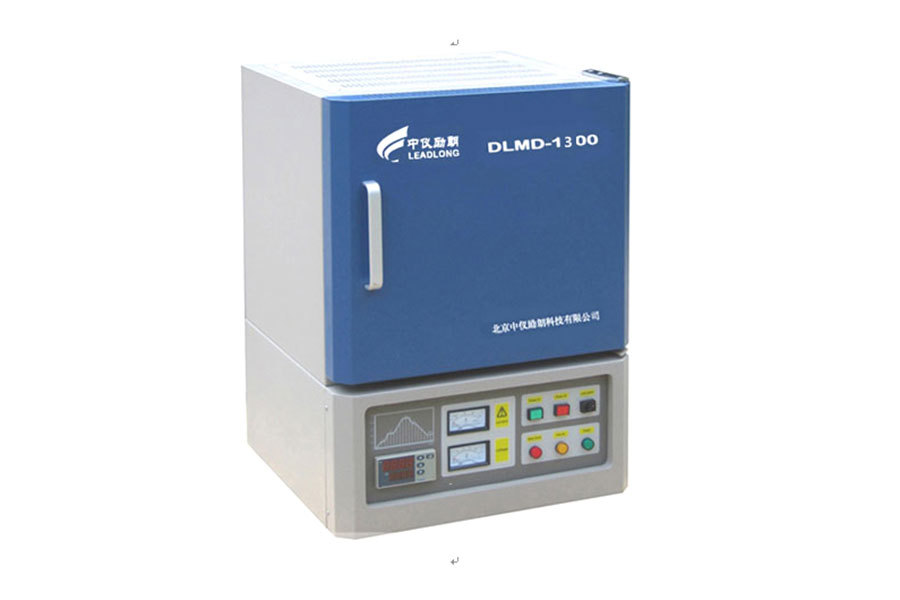
How to Clean and Maintain Your Laboratory Muffle Furnace Effectively
In any laboratory setting, the muffle furnace stands as an essential tool for various thermal processes. Proper cleaning and maintenance not only enhance its performance but also ensure safety and longevity. As we delve into this detailed guide, we’ll cover everything you need to know about keeping your muffle furnace in top shape.
Table of Contents
- 1. Introduction to Muffle Furnaces
- 2. Importance of Regular Maintenance
- 3. Establishing a Cleaning Schedule
- 4. Essential Cleaning Tools and Materials
- 5. Step-by-Step Cleaning Process
- 6. Troubleshooting Common Issues
- 7. Pro Maintenance Tips for Longevity
- 8. Frequently Asked Questions (FAQs)
- 9. Conclusion
1. Introduction to Muffle Furnaces
Muffle furnaces are designed for high-temperature applications, capable of reaching temperatures between 900°C to 1600°C. They are widely used for tasks such as materials testing, ash content determination, and calcination. Given their critical role in laboratory processes, understanding how to maintain them is crucial for any laboratory operator.
2. Importance of Regular Maintenance
Regular maintenance of a muffle furnace is vital for several reasons:
- **Performance Optimization**: Continuous operation without maintenance can lead to reduced efficiency.
- **Safety Assurance**: Accumulated residues can pose fire hazards.
- **Cost-Effectiveness**: Preventative care extends the lifespan, reducing replacement costs.
Neglecting routine cleaning can result in operational failures and costly downtime.
3. Establishing a Cleaning Schedule
Creating a cleaning schedule depends on the frequency of use and the type of materials processed. Here are some guidelines:
- **Daily Cleaning**: For laboratories with high usage, a brief daily clean (post-operation) can prevent buildup.
- **Weekly Assessment**: A thorough inspection and cleaning should be done weekly.
- **Monthly Deep Clean**: Every month, engage in a comprehensive cleaning to address hard-to-reach areas.
By adhering to this schedule, you ensure that your muffle furnace operates efficiently and safely.
4. Essential Cleaning Tools and Materials
To effectively clean your laboratory muffle furnace, you will need the following tools:
- **Soft-bristle Brushes**: Ideal for removing dust and debris without scratching surfaces.
- **Vacuum Cleaner**: A vacuum with a fine particulate filter is essential for removing loose debris.
- **Non-abrasive Cleaners**: Use commercial non-abrasive cleaning solutions designed for high-temperature equipment.
- **Protective Gear**: Always wear gloves, goggles, and a lab coat during cleaning to ensure personal safety.
Having the right tools on hand will make the cleaning process more efficient and effective.
5. Step-by-Step Cleaning Process
Cleaning a muffle furnace requires careful steps to ensure efficiency and safety:
Step 1: Preparation
- **Turn Off the Furnace**: Ensure the furnace is completely cool before starting any cleaning.
- **Disconnect Power Supply**: For safety, unplug the furnace to prevent accidental activation.
Step 2: Remove Loose Debris
- **Use a Vacuum Cleaner**: Carefully vacuum the interior and exterior to eliminate dust and loose particles.
- **Brush Away Residues**: Employ a soft-bristle brush to gently remove any stubborn residues without damaging the surface.
Step 3: Clean the Interior
- **Apply Non-abrasive Cleaner**: Spray a non-abrasive cleaner inside the furnace, allowing it to penetrate for a few minutes.
- **Wipe Down Surfaces**: Use a clean cloth to wipe away the cleaner and residues, ensuring all surfaces are spotless.
Step 4: Inspect Heating Elements
- **Check for Damage**: Inspect the heating elements for any signs of wear or damage.
- **Clean If Necessary**: If residues are present, use a suitable cleaner as instructed by the manufacturer.
Step 5: Final Inspection and Reassembly
- **Double-Check Conditions**: Ensure all components are intact and functioning.
- **Reconnect Power Supply**: Once satisfied, reconnect the furnace to the power supply.
This systematic approach to cleaning will help maintain the performance of your muffle furnace.
6. Troubleshooting Common Issues
Sometimes, despite regular maintenance, issues may arise. Here are common problems and their solutions:
Issue 1: Inconsistent Temperature
- **Possible Cause**: Dirty heating elements or faulty sensors.
- **Solution**: Clean heating elements and check sensor connections.
Issue 2: Excessive Smoke or Odor
- **Possible Cause**: Residue buildup or improper ventilation.
- **Solution**: Conduct a thorough cleaning and ensure adequate ventilation.
Issue 3: Electrical Malfunctions
- **Possible Cause**: Loose connections or damaged wiring.
- **Solution**: Inspect wiring and connections; replace if necessary.
Being proactive in identifying and resolving these issues can prevent extensive damage and costly repairs.
7. Pro Maintenance Tips for Longevity
To ensure your muffle furnace remains in optimal condition, consider these professional maintenance tips:
- **Regularly Inspect Components**: Look for signs of wear and tear, especially in heating elements and insulation.
- **Calibrate the Furnace**: Regular calibration ensures the furnace operates accurately, preventing temperature fluctuations.
- **Document Maintenance Activities**: Keep a log of cleaning and maintenance schedules to track performance over time.
- **Follow Manufacturer Guidelines**: Always adhere to the manufacturer's recommendations for cleaning and maintenance.
Implementing these tips will significantly enhance the reliability and durability of your muffle furnace.
8. Frequently Asked Questions (FAQs)
1. How often should I clean my muffle furnace?
We recommend cleaning your muffle furnace after every use, with deeper cleaning performed weekly and monthly depending on usage.
2. Can I use abrasive cleaners?
No, abrasive cleaners can damage the interior surfaces. Always opt for non-abrasive cleaning solutions.
3. What should I do if my furnace emits an unusual odor?
If you detect an unusual odor, turn off the furnace immediately and perform a thorough cleaning to check for residue buildup.
4. Is it necessary to calibrate the muffle furnace regularly?
Yes, regular calibration is essential to ensure accurate temperature readings and consistent performance.
5. What safety gear should I wear while cleaning?
Always wear gloves, goggles, and a lab coat to protect yourself from dust and cleaning agents.
9. Conclusion
Cleaning and maintaining your laboratory muffle furnace is essential for ensuring safety, performance, and longevity. By following the outlined steps and tips, you can create a routine that sustains the quality of your furnace and prevents costly repairs. With diligence and attention to detail, your muffle furnace can serve your laboratory needs efficiently for years to come.
PREVIOUS:

Contact Us



Request Quote
We will contact you within one working day. Please pay attention to your email.