Welcome to the official website of Beijing Leadlong Technology Co., Ltd

Understanding the Role of Reactors in the Petrochemical Industry
Apr 24,2026
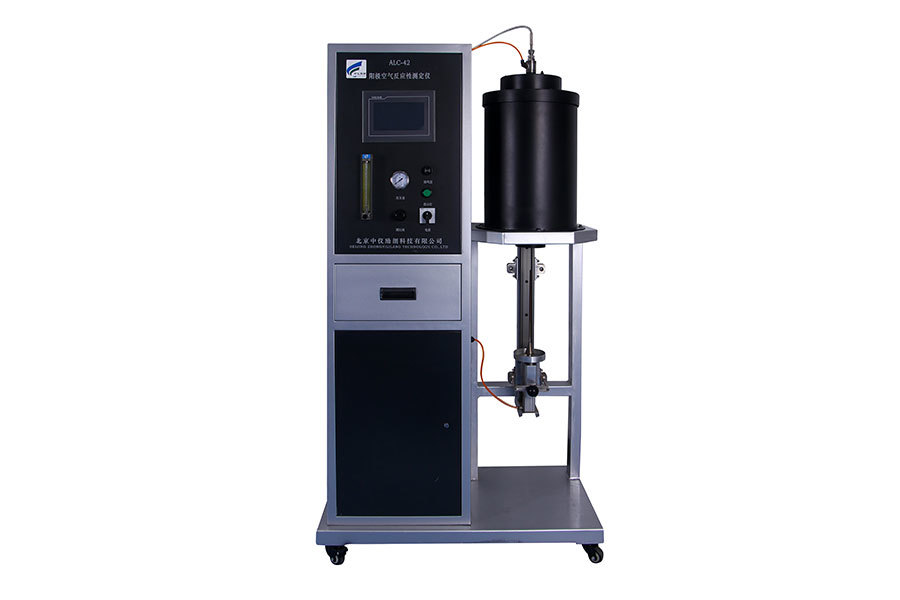
The petrochemical industry is a cornerstone of modern manufacturing, producing a wide array of products, from plastics to fertilizers. At the heart of this industry lies the reactor, a critical piece of equipment that facilitates chemical reactions necessary for converting raw materials into valuable end products. This article delves into the significance of petrochemical industry reactors and their pivotal role in optimizing chemical processes.
Reactors serve as the environment for chemical reactions to occur, where raw materials, typically hydrocarbons derived from crude oil or natural gas, are transformed through various processes such as cracking, reforming, and polymerization. The design and operation of these reactors are vital because they directly influence the efficiency, yield, and safety of the chemical manufacturing process.
There are several types of reactors used within the petrochemical industry. The most common include batch reactors, continuous reactors, and semi-continuous reactors. Batch reactors are typically utilized for smaller production runs, where specific chemicals are produced in discrete batches. In contrast, continuous reactors are designed for large-scale production, allowing for a constant flow of reactants and products, which enhances efficiency and reduces production time. Semi-continuous reactors aim to combine the benefits of both systems, allowing for flexibility in production while maintaining a continuous flow.
The choice of reactor type is influenced by several factors, including the nature of the chemical reaction, the desired product output, and economic considerations. Engineers must carefully assess these variables to optimize reactor design, ensuring that the reaction conditions—such as temperature, pressure, and catalyst presence—are ideal for maximizing yield and minimizing by-products.
Moreover, safety and environmental regulations play an essential role in the operation of petrochemical industry reactors. Operators must ensure that reactors are designed to withstand high pressures and temperatures while minimizing the risk of hazardous incidents. Innovations in reactor technology, such as advanced monitoring systems and materials, help improve safety and enhance operational efficiency.
In conclusion, reactors are indispensable to the petrochemical industry, facilitating the transformation of raw materials into essential products. Understanding the various types of reactors, their operational principles, and the factors influencing their design is crucial for anyone involved in the industrial equipment sector. As the petrochemical industry continues to evolve, the role of reactors will remain central to achieving efficient, safe, and sustainable chemical manufacturing.
Reactors serve as the environment for chemical reactions to occur, where raw materials, typically hydrocarbons derived from crude oil or natural gas, are transformed through various processes such as cracking, reforming, and polymerization. The design and operation of these reactors are vital because they directly influence the efficiency, yield, and safety of the chemical manufacturing process.
There are several types of reactors used within the petrochemical industry. The most common include batch reactors, continuous reactors, and semi-continuous reactors. Batch reactors are typically utilized for smaller production runs, where specific chemicals are produced in discrete batches. In contrast, continuous reactors are designed for large-scale production, allowing for a constant flow of reactants and products, which enhances efficiency and reduces production time. Semi-continuous reactors aim to combine the benefits of both systems, allowing for flexibility in production while maintaining a continuous flow.
The choice of reactor type is influenced by several factors, including the nature of the chemical reaction, the desired product output, and economic considerations. Engineers must carefully assess these variables to optimize reactor design, ensuring that the reaction conditions—such as temperature, pressure, and catalyst presence—are ideal for maximizing yield and minimizing by-products.
Moreover, safety and environmental regulations play an essential role in the operation of petrochemical industry reactors. Operators must ensure that reactors are designed to withstand high pressures and temperatures while minimizing the risk of hazardous incidents. Innovations in reactor technology, such as advanced monitoring systems and materials, help improve safety and enhance operational efficiency.
In conclusion, reactors are indispensable to the petrochemical industry, facilitating the transformation of raw materials into essential products. Understanding the various types of reactors, their operational principles, and the factors influencing their design is crucial for anyone involved in the industrial equipment sector. As the petrochemical industry continues to evolve, the role of reactors will remain central to achieving efficient, safe, and sustainable chemical manufacturing.

Contact Us



Request Quote
We will contact you within one working day. Please pay attention to your email.