Welcome to the official website of Beijing Leadlong Technology Co., Ltd

A Comprehensive Guide to Asphalt Quinoline Insoluble Matter Testing Procedures
Jun 08,2026
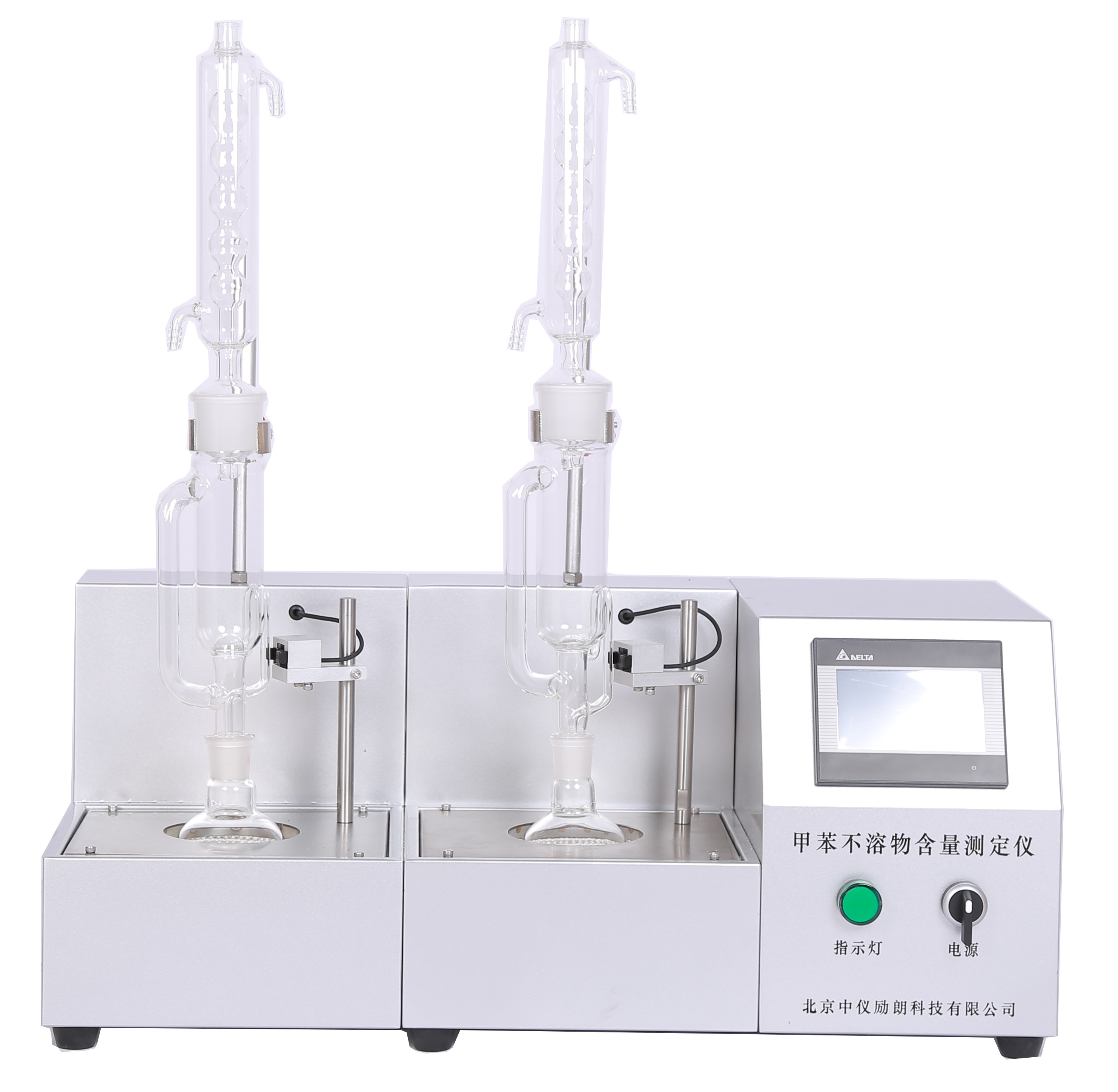
A Comprehensive Guide to Asphalt Quinoline Insoluble Matter Testing Procedures
Table of Contents
- 1. Introduction to Asphalt Testing
- 2. Importance of Quinoline Insoluble Matter Testing
- 3. Understanding Asphalt and Its Chemical Composition
- 4. Quinoline Insoluble Matter: Definition and Significance
- 5. Testing Procedures for Quinoline Insoluble Matter
- 6. Understanding Test Results and Interpretation
- 7. Common Challenges in Asphalt Testing
- 8. Best Practices for Quinoline Insoluble Matter Testing
- 9. Frequently Asked Questions
- 10. Conclusion
1. Introduction to Asphalt Testing
Asphalt is a vital component in the construction and maintenance of roads, parking lots, and various infrastructure projects. Understanding its properties and quality is paramount to ensuring durability and performance. **Asphalt testing** encompasses several methods, one of which is the assessment of quinoline insoluble matter, an indicator of the material's resilience and stability.
2. Importance of Quinoline Insoluble Matter Testing
Quinoline insoluble matter is a critical parameter that helps determine the **quality and performance** of asphalt binders. High levels of insoluble matter may indicate poor quality, leading to potential road surface issues such as cracking, raveling, and reduced lifespan. Therefore, implementing a standardized testing procedure for quinoline insoluble matter is essential for quality assurance in asphalt production.
3. Understanding Asphalt and Its Chemical Composition
Asphalt is a complex material primarily composed of **bitumen**, a viscous, black substance derived from crude oil. It contains various hydrocarbons, including saturates, aromatics, and asphaltenes. The balance of these components affects the physical properties of asphalt, such as viscosity, adhesion, and durability.
4. Quinoline Insoluble Matter: Definition and Significance
Quinoline insoluble matter refers to the fraction of asphalt that does not dissolve in quinoline, a solvent used in testing. This insoluble fraction is significant because it can provide insights into the **stability and long-term performance** of asphalt. By measuring the amount of quinoline insoluble matter, we can assess the material's resistance to degradation and its suitability for various applications.
5. Testing Procedures for Quinoline Insoluble Matter
To conduct an effective quinoline insoluble matter test, we must follow a systematic approach. This section outlines the preparation, required equipment, and detailed procedures for executing the test.
5.1 Preparation of Samples
Before testing, it is essential to prepare the asphalt samples properly. The samples should be representative of the batch to ensure accurate results. Here’s a step-by-step guide to preparing samples:
1. **Selection**: Obtain samples from different locations within the asphalt production site to ensure a comprehensive analysis.
2. **Storage**: Store samples in airtight containers to prevent contamination and evaporation.
3. **Conditioning**: Allow the samples to reach room temperature before testing to ensure consistency in results.
5.2 Equipment and Materials Needed
To perform the quinoline insoluble matter test effectively, you will need the following equipment and materials:
- **Quinoline solvent**: A high-purity grade to ensure accuracy.
- **Heating apparatus**: A water bath or hot plate to maintain temperature control.
- **Filtration setup**: Filter paper and a funnel to separate insoluble matter.
- **Precision balance**: To measure the mass of samples accurately.
- **Graduated cylinders**: For accurate measurement of quinoline solvent.
5.3 Step-by-Step Testing Procedure
The following detailed procedure outlines the steps involved in conducting the test:
1. **Weigh the Sample**: Accurately weigh a specified amount of asphalt sample and record the mass.
2. **Dissolve in Quinoline**: Place the sample in a beaker and add quinoline solvent to cover the sample completely. Heat gently to aid dissolution.
3. **Filtration**: After the sample has dissolved, carefully filter the mixture through filter paper to separate the insoluble matter.
4. **Rinse and Dry**: Rinse the filter paper with additional quinoline to remove residual material. Dry the insoluble matter in an oven at a specified temperature until constant weight is achieved.
5. **Weigh the Residue**: Once dried, cool the filter paper and insoluble matter in a desiccator, then weigh again to determine the mass of the quinoline insoluble matter.
6. **Calculate the Results**: Use the initial sample weight and the final insoluble residue weight to calculate the percentage of quinoline insoluble matter.
6. Understanding Test Results and Interpretation
Interpreting the results of the quinoline insoluble matter test requires a grasp of what the numbers signify. The percentage of insoluble matter can indicate the quality and performance potential of the asphalt. Typically:
- **Low Insoluble Matter (< 5%)**: Generally indicates high-quality asphalt suitable for various applications.
- **Moderate Insoluble Matter (5% - 10%)**: May require further evaluation for specific uses but could still be acceptable.
- **High Insoluble Matter (> 10%)**: Often suggests poor quality, leading to potential issues in performance and longevity.
Understanding these results is crucial for making informed decisions about asphalt usage.
7. Common Challenges in Asphalt Testing
Conducting asphalt testing, including quinoline insoluble matter testing, can encounter several challenges:
- **Sample Contamination**: Ensuring that samples remain uncontaminated is vital for accurate results.
- **Temperature Control**: Maintaining consistent heating during dissolution is crucial; fluctuations can affect results.
- **Inconsistent Materials**: Variability in asphalt composition can lead to different results, necessitating comprehensive sampling methods.
By recognizing these challenges, we can take proactive steps to mitigate their impact.
8. Best Practices for Quinoline Insoluble Matter Testing
To enhance the accuracy and reliability of testing, consider implementing the following best practices:
- **Standardize Procedures**: Adhere to established testing methods and guidelines to ensure consistency.
- **Quality Control**: Regularly calibrate equipment and monitor testing conditions.
- **Comprehensive Training**: Ensure that all personnel involved in testing are adequately trained and knowledgeable about the procedures and equipment.
- **Documentation**: Maintain detailed records of each test, including sample sources, testing conditions, and results, to facilitate analysis and improvement.
9. Frequently Asked Questions
1. What is the significance of quinoline insoluble matter in asphalt?
Quinoline insoluble matter indicates the quality and potential longevity of asphalt materials. High levels suggest inferior quality that may affect performance.
2. How often should quinoline insoluble matter testing be conducted?
It is advisable to conduct testing regularly, especially during the production phase, to ensure consistent quality.
3. Can the presence of quinoline insoluble matter affect the asphalt's performance?
Yes, higher levels of insoluble matter can lead to issues such as cracking and raveling, diminishing the overall lifespan of asphalt surfaces.
4. What equipment is necessary for quinoline insoluble matter testing?
Essential equipment includes a heating apparatus, filtration setup, precision balance, and graduated cylinders.
5. How can one reduce the risk of contamination during sampling?
To minimize contamination risks, handle samples with clean tools and store them in airtight containers until testing.
10. Conclusion
The testing of quinoline insoluble matter is an essential procedure in the asphalt industry, providing crucial insights into the quality and durability of asphalt materials. By understanding the significance, methodology, and interpretation of these tests, professionals can ensure that the asphalt used in construction meets the necessary standards for performance and longevity. Implementing best practices and adhering to established testing protocols will ultimately lead to better outcomes in asphalt quality assessments, ensuring safer and more durable infrastructure for years to come.
PREVIOUS:

Contact Us



Request Quote
We will contact you within one working day. Please pay attention to your email.