Welcome to the official website of Beijing Leadlong Technology Co., Ltd

Understanding the Importance of Automatic Asphalt Softening Point Testers in Quality Control
Jun 18,2026
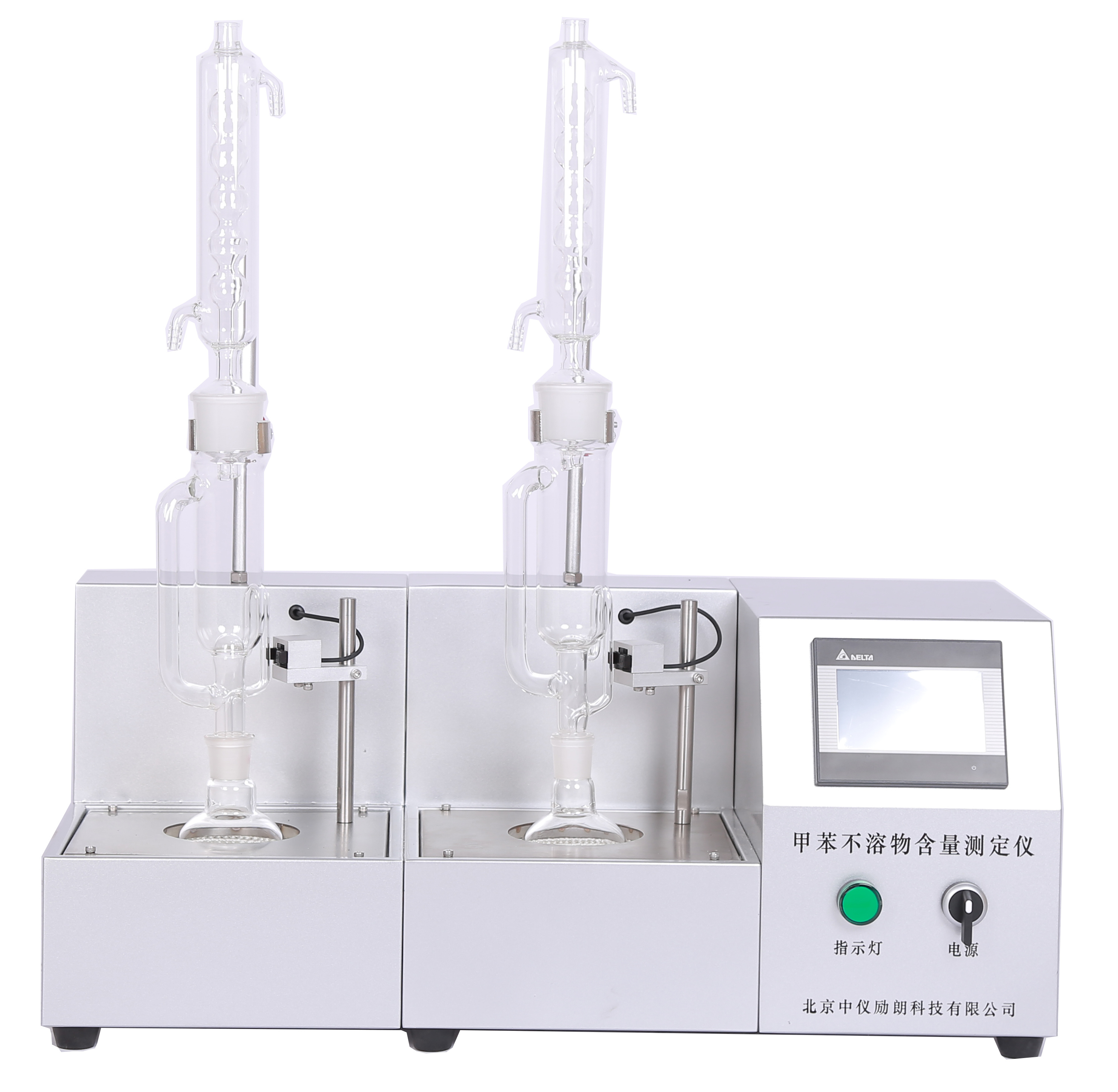
Understanding the Importance of Automatic Asphalt Softening Point Testers in Quality Control
Table of Contents
- What Are Asphalt Softening Point Testers?
- Importance of Asphalt Softening Point Testing
- How Do Automatic Asphalt Softening Point Testers Work?
- Benefits of Using Automatic Asphalt Softening Point Testers
- Impact on Quality Control in Asphalt Production
- Common Applications of Automatic Asphalt Softening Point Testers
- Choosing the Right Automatic Asphalt Softening Point Tester
- Frequently Asked Questions
What Are Asphalt Softening Point Testers?
Asphalt softening point testers are essential instruments used to determine the softening point of asphalt and related materials. The softening point is the temperature at which the asphalt transitions from a solid to a fluid state, which is crucial for understanding the material's properties, performance, and suitability for various applications. The testing process provides valuable insights into the thermal behavior of asphalt, which directly influences its durability and performance in different environmental conditions.
Importance of Asphalt Softening Point Testing
The significance of conducting asphalt softening point tests cannot be overstated within the context of quality control. Understanding the softening point helps in:
- Ensuring Material Consistency: Regular testing guarantees that the asphalt meets industry standards and specifications.
- Evaluating Performance Characteristics: The softening point influences how asphalt behaves under varying temperatures, which is vital for performance prediction.
- Enhancing Longevity: Proper testing can prevent premature failures and extend the lifespan of asphalt pavements.
How Do Automatic Asphalt Softening Point Testers Work?
Automatic asphalt softening point testers streamline the testing process, making it faster and more accurate. By automating various steps, these testers minimize human error and improve reliability. Here, we explain how they function.
Components of Automatic Testers
An automatic asphalt softening point tester typically consists of several key components:
- Heating System: Provides controlled heating to the asphalt sample.
- Temperature Sensors: Monitor the temperature of the sample in real-time.
- Control Unit: Manages the testing environment and records data automatically.
- Display Interface: Shows results and temperature readings for easy interpretation.
The Testing Process
The testing process generally follows these steps:
- Sample Preparation: The asphalt sample is prepared and placed in the testing apparatus.
- Heating: The sample is heated at a controlled rate until it reaches the softening point.
- Recording: The control unit records the temperature at which the asphalt softens, providing accurate readings.
Benefits of Using Automatic Asphalt Softening Point Testers
Incorporating automatic asphalt softening point testers into quality control processes offers numerous advantages:
- Increased Accuracy: Automation reduces human error and enhances the precision of results.
- Faster Testing: Automated processes significantly reduce the time required for testing, allowing for quicker results.
- Data Management: Automatic testers often come equipped with software for data analysis and reporting, simplifying record-keeping.
Impact on Quality Control in Asphalt Production
The role of automatic asphalt softening point testers in quality control goes beyond mere compliance with standards. Their implementation can lead to:
- Improved Product Quality: Consistent testing ensures that only high-quality asphalt is used in production.
- Cost Efficiency: Preventing defects reduces waste and costly repairs, optimizing the overall production process.
- Enhanced Safety: High-quality asphalt minimizes risks associated with pavement failures, promoting safer driving conditions.
Common Applications of Automatic Asphalt Softening Point Testers
These testers are crucial in various sectors, including:
- Pavement Construction: Assessing the quality of asphalt used in road construction.
- Asphalt Production: Monitoring the quality of raw materials in the asphalt manufacturing process.
- Research and Development: Testing new asphalt formulations to determine properties before large-scale production.
Choosing the Right Automatic Asphalt Softening Point Tester
When selecting an automatic asphalt softening point tester, consider the following factors:
- Calibration and Standards: Ensure the tester meets relevant industry standards and can be calibrated accordingly.
- User-Friendly Interface: Look for models with intuitive controls and clear displays, facilitating easy operation.
- Support and Maintenance: Choose a reputable supplier that offers ongoing support and maintenance services.
Frequently Asked Questions
1. What is the significance of the softening point in asphalt?
The softening point is crucial for understanding how asphalt will perform under various temperature conditions, directly affecting its durability and longevity.
2. How often should asphalt softening point testing be conducted?
Regular testing is recommended, particularly during production phases and before significant projects to ensure compliance with industry standards.
3. Can automatic testers provide results quickly?
Yes, automatic testers are designed to streamline the testing process, delivering results faster than manual methods.
4. Are automatic asphalt softening point testers expensive?
While the initial investment may be higher, the long-term benefits, including improved accuracy and efficiency, often outweigh the costs.
5. How do automatic testers compare to manual methods?
Automatic testers provide greater accuracy, speed, and reliability, minimizing human error compared to traditional manual testing methods.
Conclusion
In conclusion, automatic asphalt softening point testers play an indispensable role in ensuring quality control within the asphalt industry. Their ability to deliver accurate and rapid results not only enhances the quality of asphalt but also positively impacts the longevity and safety of asphalt pavements. By investing in these advanced testers, manufacturers and contractors can significantly improve their processes, reduce costs, and ultimately, provide better service to their clients. As the asphalt industry continues to evolve, the adoption of automatic testing solutions will be crucial in maintaining high standards and ensuring the integrity of asphalt materials.

Contact Us



Request Quote
We will contact you within one working day. Please pay attention to your email.
