Welcome to the official website of Beijing Leadlong Technology Co., Ltd

Muffle Furnace Applications: From Ceramics to Metal Testing
Jun 28,2026
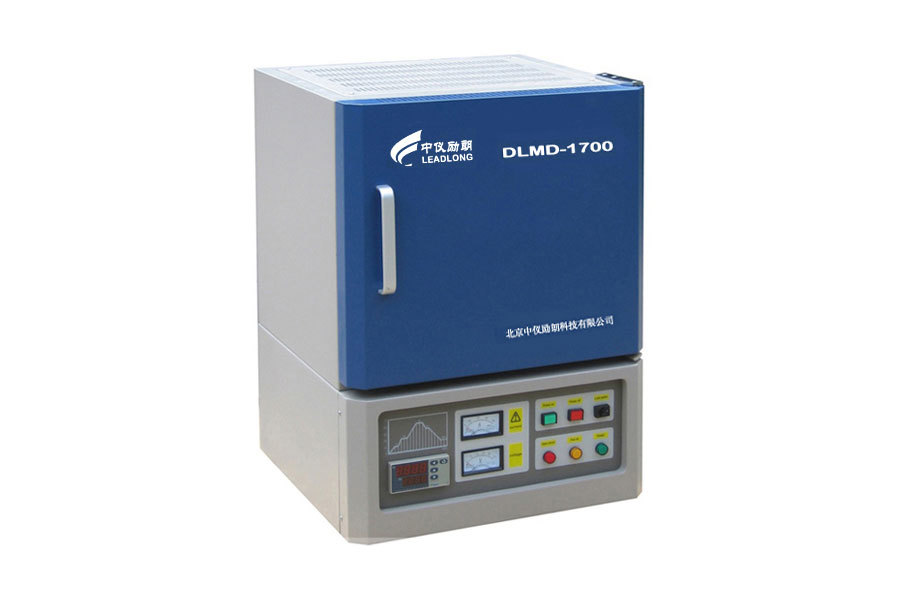
Muffle Furnace Applications: From Ceramics to Metal Testing
Understanding Muffle Furnaces: An Overview
Muffle furnaces are essential tools in modern laboratories and industrial settings. They provide a controlled environment for high-temperature applications, enabling the thermal treatment of various materials. Unlike traditional furnaces, muffle furnaces feature a separate chamber that houses the heating elements, ensuring uniform temperature distribution and preventing contamination of the samples.
In this article, we will delve into the diverse applications of muffle furnaces, focusing on their significance in ceramics, metal testing, and other industrial processes.
The Role of Muffle Furnaces in Ceramics
1. Sintering and Firing of Ceramics
Muffle furnaces play a crucial role in the sintering and firing processes of ceramic manufacturing. During sintering, powdered materials are heated to a temperature below their melting point. This process allows particles to bond together, enhancing the strength and durability of the final product. The precise temperature control offered by muffle furnaces is vital for achieving optimal sintering conditions.
2. Glazing and Enameling
In addition to sintering, muffle furnaces are extensively used for glazing ceramics. The glazing process involves applying a glass-like coating to the surface of ceramic products, which enhances both aesthetics and functionality. The ability to maintain consistent temperatures during the glazing process ensures even melting and reduces defects, resulting in high-quality finished products.
Benefits of Using Muffle Furnaces for Ceramics
- **Consistent Temperature Control**: Muffle furnaces provide stable heating, which is critical for uniform firing and glazing.
- **Reduced Contamination**: The design of muffle furnaces minimizes the risk of contamination, ensuring the purity of ceramic materials.
- **Versatile Applications**: These furnaces can accommodate various ceramic types, from porcelain to stoneware.
Applications in Metal Testing
1. Material Characterization
Muffle furnaces are indispensable in metal testing, particularly for material characterization. By subjecting metal samples to high temperatures, researchers can analyze phase transformations, microstructure changes, and mechanical properties. This information is essential for developing new alloys and improving existing materials.
2. Ash Content Analysis
Determining the ash content of metals and alloys is another critical application of muffle furnaces. The combustion of samples in a controlled environment allows for accurate measurements of inorganic residue. This analysis is vital in industries that require precise material specifications, such as aerospace and automotive manufacturing.
Advantages of Muffle Furnaces in Metal Testing
- **High Accuracy**: Muffle furnaces provide reliable and reproducible results, which are critical for quality control in metallurgy.
- **Adaptability**: These furnaces can be tailored to meet specific testing needs, including varying sample sizes and temperature ranges.
- **Safety Features**: Modern muffle furnaces are equipped with safety mechanisms to prevent overheating and ensure operator safety.
Exploring Other Industrial Applications
1. Glass and Composite Materials
Muffle furnaces are also used in the production of glass and composite materials. The ability to reach and maintain high temperatures enables the melting of raw materials and the synthesis of advanced composites. This application is critical in industries such as construction, automotive, and aerospace, where material performance is paramount.
2. Research and Development
In research and development settings, muffle furnaces facilitate experimental investigations into new materials and processes. Researchers can perform thermal analysis, thermal stability testing, and other experiments that require precise temperature control. The versatility of muffle furnaces makes them an essential asset in laboratories.
Key Benefits of Muffle Furnaces for R&D
- **Enhanced Experimentation**: The ability to control heating rates and temperature profiles enables detailed study of material behaviors.
- **Reproducibility**: Consistent results are crucial in R&D, and muffle furnaces excel in providing reliable data.
- **Scalability**: Researchers can easily scale up processes from laboratory to production levels with the insights gained from muffle furnace experiments.
Choosing the Right Muffle Furnace for Your Needs
1. Factors to Consider
When selecting a muffle furnace, several factors must be taken into account to ensure optimal performance:
- **Temperature Range**: Different applications require varying temperature ranges. Ensure the furnace can reach the necessary temperatures for your specific needs.
- **Heating Rate**: The rate at which the furnace can heat samples significantly impacts experimental outcomes.
- **Size and Capacity**: Consider the size of the materials you’ll be working with and the furnace's capacity to accommodate them.
2. Types of Muffle Furnaces
There are several types of muffle furnaces available, each designed for specific applications:
- **Laboratory Muffle Furnaces**: These are compact and designed for educational and research purposes.
- **Industrial Muffle Furnaces**: Larger and capable of handling significant workloads, these furnaces are ideal for manufacturing settings.
- **Programmable Muffle Furnaces**: Equipped with advanced technology, these furnaces allow users to program specific heating profiles, enhancing versatility.
Determining the Best Fit for Your Application
Evaluating your requirements and understanding the differences in furnace types will guide you in selecting the best muffle furnace for your application. Consult with manufacturers and industry experts to identify the most suitable options.
Maintenance and Safety Considerations
1. Routine Maintenance
Proper maintenance of muffle furnaces is essential for ensuring longevity and optimal performance. Regularly inspect heating elements, calibration settings, and insulation. Cleaning the interior after each use will prevent contamination and improve efficiency.
2. Safety Protocols
Safety should always be a priority when operating muffle furnaces. Follow these protocols to mitigate risks:
- **Wear Protective Gear**: Always use gloves, goggles, and heat-resistant clothing when handling the furnace and samples.
- **Monitor Temperature**: Use accurate thermometers and temperature sensors to prevent overheating.
- **Ventilation**: Ensure adequate ventilation in the workspace to avoid harmful fumes.
Frequently Asked Questions (FAQs)
1. What materials can be processed in a muffle furnace?
Muffle furnaces can process a wide range of materials, including ceramics, metals, glasses, and composites. Their versatility makes them suitable for various industries.
2. How does a muffle furnace differ from a traditional furnace?
Unlike traditional furnaces, muffle furnaces have a separate heating chamber, which prevents contamination and allows for more precise temperature control.
3. What temperature range can a muffle furnace achieve?
Muffle furnaces can reach temperatures ranging from 100°C to over 1600°C, depending on the model and specifications.
4. How long does it take to heat a sample in a muffle furnace?
Heating times vary based on the furnace's heating rate and the sample size. Generally, it may take anywhere from 30 minutes to several hours for samples to reach the desired temperature.
5. Can muffle furnaces be used for educational purposes?
Yes, many laboratories and educational institutions utilize muffle furnaces for experiments and demonstrations in materials science and engineering courses.
Conclusion
Muffle furnaces are indispensable tools in various fields, from ceramics to metal testing and beyond. Their ability to provide precise temperature control, reduce contamination, and cater to diverse applications makes them a vital asset in both industrial and research settings. By understanding their functionalities and maintaining them properly, users can optimize their processes, enhance product quality, and contribute significantly to innovation across multiple industries. Embracing the technology of muffle furnaces is not only a step towards operational efficiency but also a commitment to advancing material science and engineering.
PREVIOUS:

Contact Us



Request Quote
We will contact you within one working day. Please pay attention to your email.