Welcome to the official website of Beijing Leadlong Technology Co., Ltd

Understanding the Role of Sample Forming Machines in Modern Manufacturing
Aug 12,2026
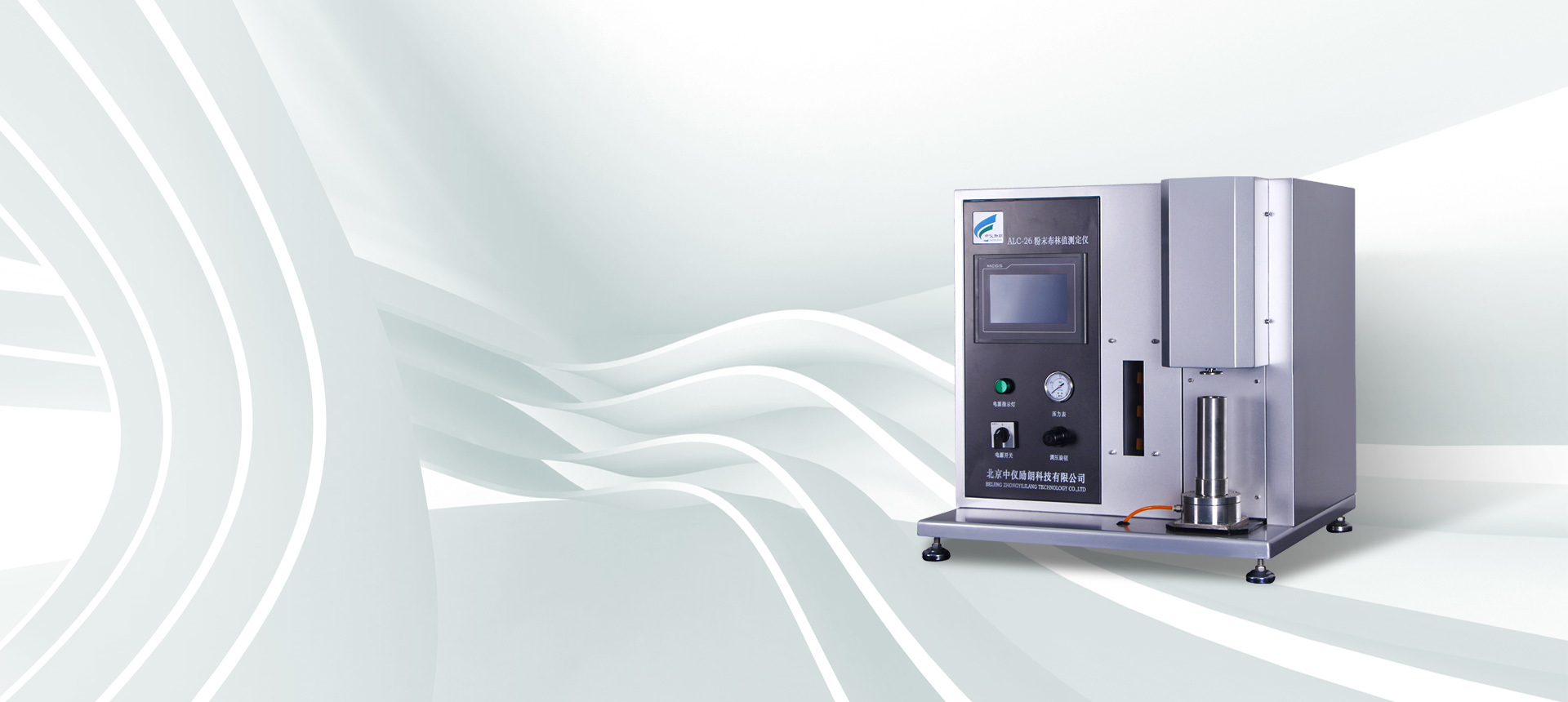
Sample Forming Machines are essential tools in the manufacturing and packaging industries. These machines are designed to create precise samples of products, allowing manufacturers to test, evaluate, and refine their designs before going into full-scale production. By understanding the function and benefits of sample forming machines, companies can optimize their production processes and improve overall product quality.
One of the primary advantages of using sample forming machines is their ability to produce consistent and accurate samples. This consistency is crucial for ensuring that products meet quality standards and specifications. When manufacturers can rely on precise samples, they can make informed decisions about materials, processes, and designs, ultimately reducing waste and minimizing errors during mass production.
Moreover, sample forming machines facilitate rapid prototyping, which is increasingly important in today's fast-paced market. Manufacturers can quickly produce samples for testing and evaluation, allowing for more agile responses to customer needs and market trends. This speed not only enhances innovation but also ensures that companies remain competitive by shortening the time from concept to market.
In addition, these machines often come equipped with advanced technology that allows for customization and flexibility in the production process. Manufacturers can easily adjust parameters to create different sample sizes, shapes, and features without significant downtime or reconfiguration. This versatility is essential for businesses that offer a range of products or need to adapt to changing customer demands.
Another benefit of sample forming machines is their role in quality control. By producing samples before mass production, manufacturers can conduct thorough testing and inspection. This process helps identify any potential issues or design flaws early on, significantly reducing the risk of costly recalls or modifications later in the production cycle.
Furthermore, sample forming machines contribute to sustainability efforts in the manufacturing industry. By optimizing the sample creation process, companies can reduce material waste and energy consumption, aligning their practices with environmental initiatives. This not only benefits the planet but also enhances a company's reputation as a responsible manufacturer.
In conclusion, sample forming machines play a pivotal role in modern manufacturing and packaging processes. They enable manufacturers to create accurate prototypes, enhance quality control, and promote sustainability. By leveraging the capabilities of these machines, companies can improve efficiency, reduce costs, and ultimately deliver better products to the market. As the industry continues to evolve, the importance of sample forming machines is likely to grow, making them an invaluable asset to any manufacturing operation.
PREVIOUS:

Contact Us



Request Quote
We will contact you within one working day. Please pay attention to your email.
