Welcome to the official website of Beijing Leadlong Technology Co., Ltd

Overcoming Common Challenges in Anode Carbon Dioxide Reactivity Testing: Comprehensive Solutions
Sep 26,2026
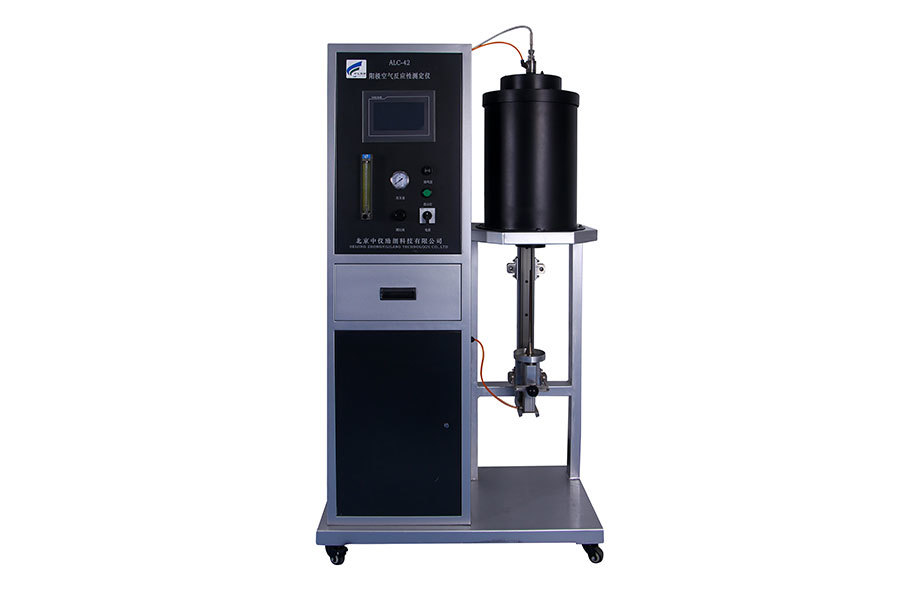
Overcoming Common Challenges in Anode Carbon Dioxide Reactivity Testing: Comprehensive Solutions
Table of Contents
1. Introduction to Anode Carbon Dioxide Reactivity Testing
2. Importance of Accurate Reactivity Testing
3. Common Challenges in Anode Carbon Dioxide Reactivity Testing
3.1 Inconsistent Results Across Different Tests
3.2 Equipment Calibration Issues
3.3 Environmental Influences on Testing
3.4 Material Variability
3.5 Data Interpretation Complications
4. Innovative Solutions to Overcome Testing Challenges
4.1 Standardizing Testing Procedures
4.2 Advanced Calibration Techniques
4.3 Controlled Environmental Conditions
4.4 Material Selection Strategies
4.5 Improved Data Analysis Tools
5. Best Practices for Reactivity Testing
6. Future Trends in Anode Carbon Dioxide Reactivity Testing
7. Conclusion
8. FAQs
1. Introduction to Anode Carbon Dioxide Reactivity Testing
Anode carbon dioxide reactivity testing plays a critical role in the industrial sector, particularly in the fields of electrochemistry and material science. This testing assesses how effectively anodes interact with carbon dioxide (CO2) under various conditions. By understanding these interactions, industries can improve efficiency and reduce emissions in processes such as aluminum production, where CO2 emissions are significant. Comprehensive testing ensures that anodes perform optimally, contributing to sustainable manufacturing practices.
2. Importance of Accurate Reactivity Testing
Accurate reactivity testing is essential for multiple reasons. First, it helps in selecting the right anode materials that can withstand the harsh conditions of industrial processes. Second, it aids in optimizing production methods, which can lead to significant cost savings and reduced environmental impact. Lastly, accurate data fosters innovation by providing a foundation for developing new materials and technologies that enhance performance and sustainability.
3. Common Challenges in Anode Carbon Dioxide Reactivity Testing
Despite the importance of reactivity testing, several challenges persist that can hinder the accuracy and reliability of results.
3.1 Inconsistent Results Across Different Tests
One major challenge is the inconsistency of results across various testing scenarios. Factors such as slight variations in procedure, equipment, or even the operator’s technique can lead to divergent outcomes. This inconsistency can lead to confusion and mistrust in the testing results, complicating decision-making processes.
3.2 Equipment Calibration Issues
Calibration of testing equipment is crucial for obtaining reliable data. However, improper calibration can lead to significant errors. Frequent usage, environmental changes, and equipment wear and tear can all contribute to drift in calibration, affecting the accuracy of the testing results.
3.3 Environmental Influences on Testing
Environmental factors such as temperature, humidity, and gas composition can significantly influence reactivity testing outcomes. For instance, variations in CO2 concentration or impurities in the gas can alter the reaction dynamics, leading to misleading results.
3.4 Material Variability
Material variability, whether from batch-to-batch differences or within the same batch, can pose a considerable challenge. Even minor inconsistencies in chemical composition or physical structure can affect anode performance, making it essential to account for such variability during testing.
3.5 Data Interpretation Complications
Analyzing and interpreting data from reactivity tests can be complex. Understanding the relationship between different variables and their impact on anode performance requires advanced knowledge and experience. Misinterpretation of data can lead to erroneous conclusions and decisions.
4. Innovative Solutions to Overcome Testing Challenges
To address the challenges of anode carbon dioxide reactivity testing, several innovative solutions can be implemented.
4.1 Standardizing Testing Procedures
Establishing standardized procedures for conducting tests can significantly reduce inconsistencies. By adhering to a consistent methodology, researchers and industry professionals can achieve more reliable and comparable results. Standard operating procedures (SOPs) should encompass every aspect of the testing process, including sample preparation, equipment calibration, and data collection.
4.2 Advanced Calibration Techniques
Utilizing advanced calibration techniques can help mitigate errors associated with equipment drift. Regular calibration schedules, combined with the use of high-precision calibration standards, ensure that testing instruments remain accurate over time. Implementing automated calibration systems can further enhance reliability by reducing the potential for human error.
4.3 Controlled Environmental Conditions
Conducting tests under controlled environmental conditions can minimize external influences on the reactions being studied. This may involve using specialized chambers that regulate temperature, humidity, and gas purity. By creating a stable testing environment, researchers can obtain more accurate and reproducible results.
4.4 Material Selection Strategies
Selecting high-quality materials with known properties can help mitigate issues related to material variability. Engaging in thorough material characterization before testing can ensure that only the most suitable anodes are utilized. Additionally, sourcing materials from reputable suppliers who provide consistent quality can further enhance testing accuracy.
4.5 Improved Data Analysis Tools
Employing advanced data analysis tools can facilitate better interpretation of testing results. Leveraging software that utilizes machine learning algorithms to analyze complex datasets can uncover patterns and relationships that may not be immediately apparent. This approach can enhance decision-making processes and lead to more reliable conclusions.
5. Best Practices for Reactivity Testing
To ensure the best outcomes in anode carbon dioxide reactivity testing, several best practices should be followed:
1. **Maintain Equipment Regularly**: Regular maintenance of testing equipment ensures optimal performance and accuracy.
2. **Document All Procedures**: Keeping detailed records of testing procedures, conditions, and results fosters transparency and reproducibility.
3. **Engage in Inter-Laboratory Comparisons**: Collaborating with other laboratories for inter-comparative studies can validate findings and enhance credibility.
4. **Train Personnel Thoroughly**: Providing comprehensive training for individuals conducting tests improves consistency and reduces errors.
5. **Embrace Technological Advancements**: Staying updated with the latest technologies in testing and data analysis can provide a competitive edge.
6. Future Trends in Anode Carbon Dioxide Reactivity Testing
The future of anode carbon dioxide reactivity testing is poised for innovation and advancement. As industries increasingly prioritize sustainability, the demand for efficient and effective testing methods will grow. Emerging technologies, such as artificial intelligence and big data analytics, will play a crucial role in enhancing testing accuracy and speed. Additionally, advancements in material science may lead to the development of new anodes that demonstrate improved CO2 reactivity, further driving research and technology in this vital area.
7. Conclusion
Addressing the common challenges in anode carbon dioxide reactivity testing is essential for achieving reliable and accurate results. By implementing standardized procedures, advanced calibration techniques, and controlled testing environments, industries can enhance the credibility of their testing outcomes. With a commitment to continuous improvement and the adoption of innovative solutions, stakeholders can significantly contribute to advancements in sustainable manufacturing practices. As we look to the future, embracing new technologies and methodologies will ensure that anode testing keeps pace with industry demands and environmental goals.
8. FAQs
What is anode carbon dioxide reactivity testing?
Anode carbon dioxide reactivity testing evaluates how well anodes perform in the presence of CO2, which is essential for optimizing industrial processes and reducing emissions.
Why is accuracy important in reactivity testing?
Accurate testing ensures the selection of suitable materials, optimizes processes, and minimizes environmental impact, ultimately leading to cost savings and improved sustainability.
What are some common challenges in anode reactivity testing?
Common challenges include inconsistent test results, equipment calibration issues, environmental influences, material variability, and complications in data interpretation.
How can standardized procedures help in testing?
Standardized procedures reduce variability in testing outcomes, leading to more reliable and comparable results across different tests and laboratories.
What future trends are expected in anode carbon dioxide reactivity testing?
Future trends may include advancements in AI and big data analytics for enhanced data analysis, as well as the development of new materials that improve anode performance in CO2 reactivity.

Contact Us



Request Quote
We will contact you within one working day. Please pay attention to your email.
